
Exploring Easter’s Pagan Roots
Why Remembering our Ancient Connection to Gaia Matters

Holidays come and go, and many of us celebrate on autopilot, without truly understanding their significance, origins, or why we honor them the way we do. Given that it’s on the horizon, I wanted to take a few minutes to shed some light on Easter.
Growing up, we did celebrate the holiday. As kids, we participated in Easter egg hunts and even went to church. The thing is, my memories feel like a different life, not this one.
Not everyone knows about Easter’s roots, which reach far earlier than Christianity. Long before it became associated with the resurrection of Jesus, many cultures in Europe and the Near East celebrated spring festivals marking the return of light, fertility, and renewal after winter. In other words, the earth’s awakening from its seasonal sleep.
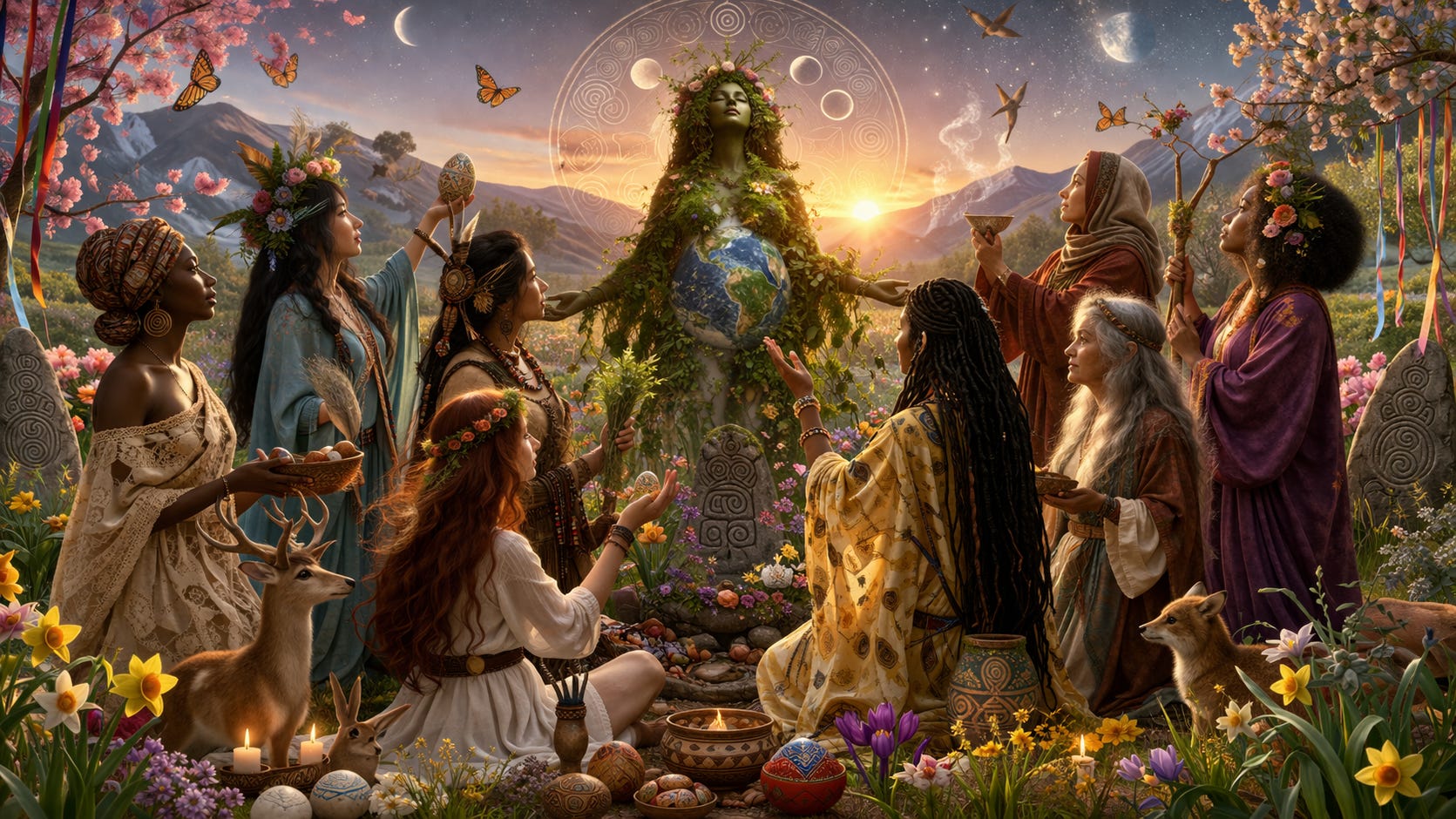
Pre-Christian Spring Celebrations
In ancient agricultural societies, the arrival of the spring season was one of the most important turning points of the year. The Spring Equinox—when day and night are roughly equal—symbolized the victory of light over darkness and the return of life to the land. This was much more vital than it is today because people turned to the land for sustenance. Today, we simply drive to a supermarket and are far removed from where our food comes from. Nor do many of us know what chemicals went into the soil to grow the very items we’re tossing into our carts, even at higher-end chains like Whole Foods, Nugget, and Good Earth.
After months of darkness and bitter cold temperatures, people celebrated with festivals honoring new growth and the rebirth of nature, especially in northern Europe, where the dark days were much longer. Eggs, seeds, rabbits, and flowers became symbols of this renewal because they represented life emerging from dormancy. Remember that rabbits and hares are known for their rapid reproduction, so they have become natural emblems of fertility and abundance.
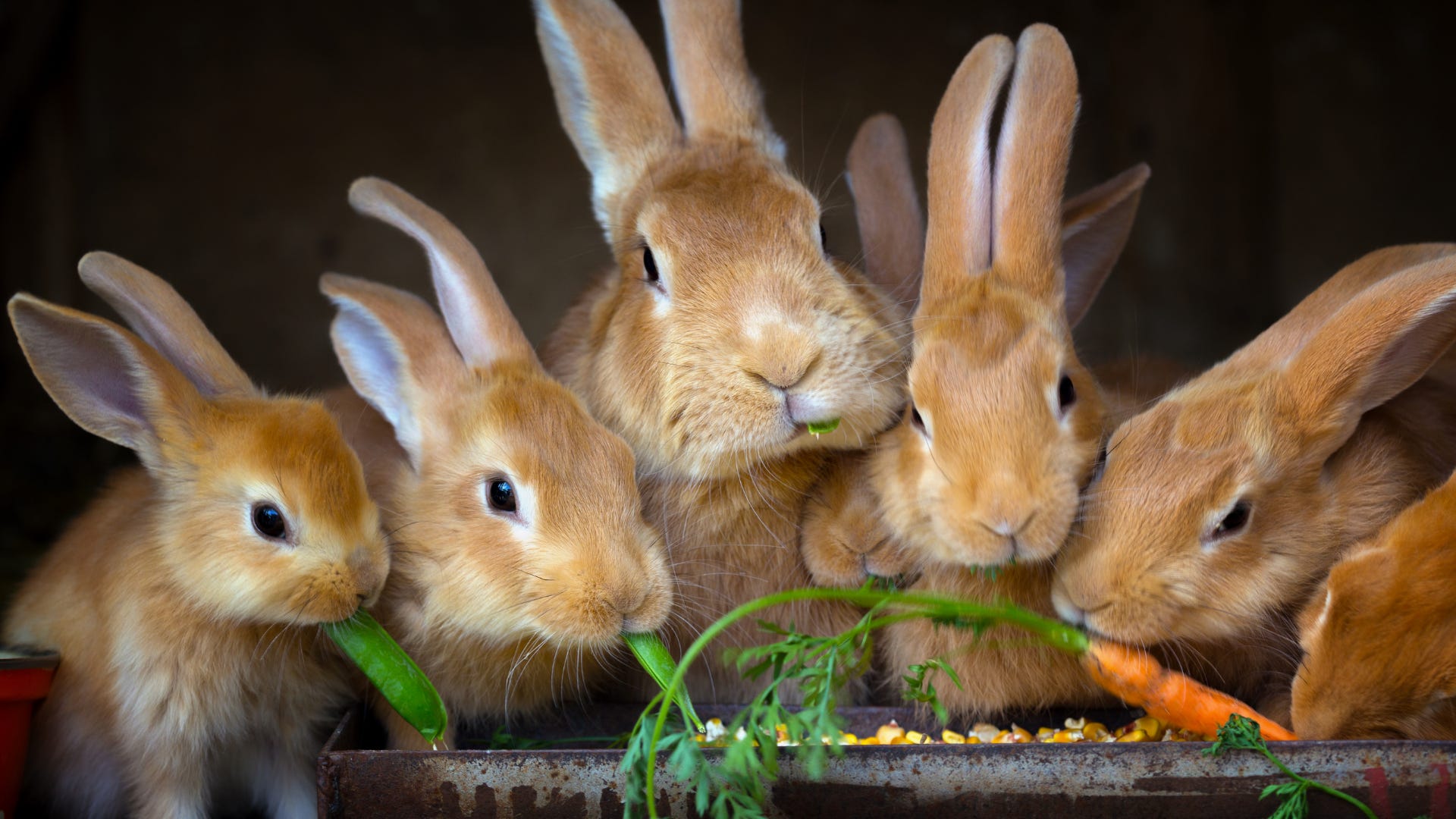
In some parts of Europe, the Germanic Goddess Eostre (sometimes spelled Ostara) was associated with dawn and fertility, and festivals were held in her honor in early Spring. The English word “Easter” may ultimately derive from her name, though scholars still debate how widespread this tradition actually was.
Across the Mediterranean world, similar themes appeared in different cultural forms. In ancient Greece, seasonal rites were associated with Goddesses such as Persephone and Demeter, whose myths recounted the earth’s barrenness during winter and its renewal when Persephone returned from the underworld. Festivals connected with agricultural cycles honored the restoration of life to the fields and the promise of future harvests.
In the ancient Near East, the goddess Inanna—later known in related traditions as Ishtar—was connected to themes of descent, transformation, and renewal. One of the most famous myths describes her journey into the underworld, where she undergoes a symbolic death before eventually returning to the world of the living. The story was deeply tied to agricultural cycles and seasonal change, reflecting the idea that life often reemerges after a period of dormancy or decline.
In Celtic regions, communities decorated homes and sacred spaces with fresh greenery, blossoms, and branches to welcome the season’s growth. Streams, wells, and springs were often treated as sacred places, and people sometimes made small offerings to the waters as a gesture of gratitude for life and fertility. Dawn gatherings at hilltops or open fields allowed participants to greet the rising sun, reinforcing the sense that the earth was entering a new cycle of vitality.
Many of these rituals shared a common theme: they honored the living earth as a dynamic and creative force. Female deities or feminine aspects of nature frequently played a central role because fertility, birth, and growth were seen as expressions of generative power. The celebrations were communal rather than institutional, often organized within villages or local traditions rather than through centralized religious authorities and certain rules that you’d have to adhere to.
Enter Christianity
When Christianity spread through the Roman Empire and later into northern Europe, the “new” religion gradually incorporated existing seasonal celebrations. The Christian holiday commemorating the resurrection of Jesus was celebrated near the Jewish festival of Passover, because the events described in the New Testament apparently occurred around that time. I say “apparently” because there were so many scribes, translators, and interpreters over the centuries that the so-called truth was skewed, often changed to align with whoever was in power at the time. We talk about this as a common thread in our book Magdalene’s Journey.
Over time, Christianity’s Easter came to symbolize resurrection, spiritual renewal, and the triumph of life over death. Yet many older seasonal symbols—eggs, rabbits, flowers, and sunrise themes—remained part of the celebration. The religious connection to Jesus, however, became the dominant narrative. And certainly, it was fun to paint eggs as children (and even later as adults), but when we do so out of habit and do not connect to the original essence of why, we miss a very important ingredient: the one that merges our connection to the earth and to humanity.
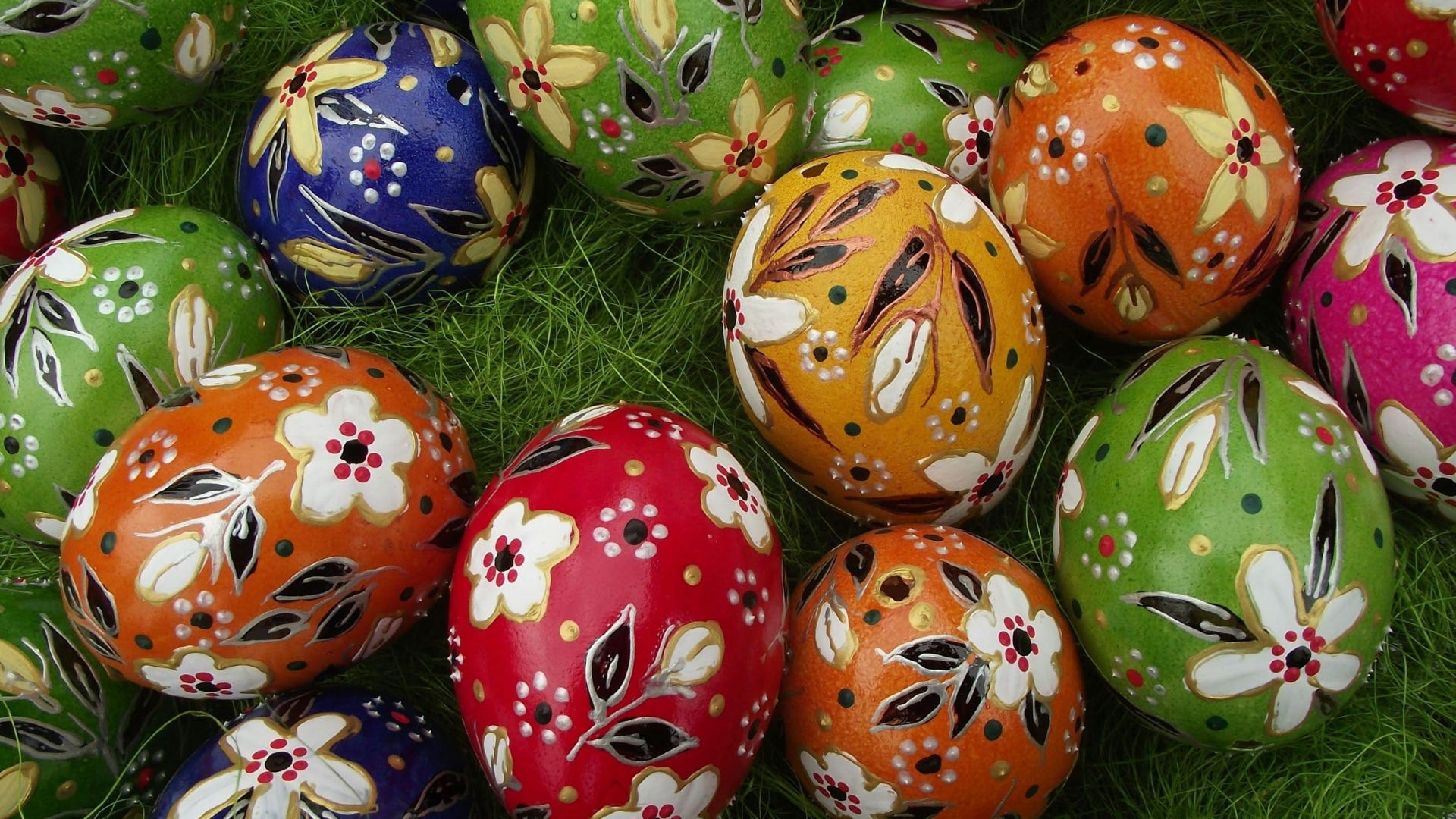
The Old Meets the New
The holiday we now call Easter, therefore, has many textures and meanings, not just one. It combines ancient seasonal and fertility celebrations emerging from Winter, the Jewish historical context of Passover, and the Christian story of Jesus and the resurrection.
Because of this blending of traditions (old and new), Easter still carries both religious and seasonal symbolism—a reflection of humanity’s long-standing recognition that the spring season represents a kind of rebirth for the world.
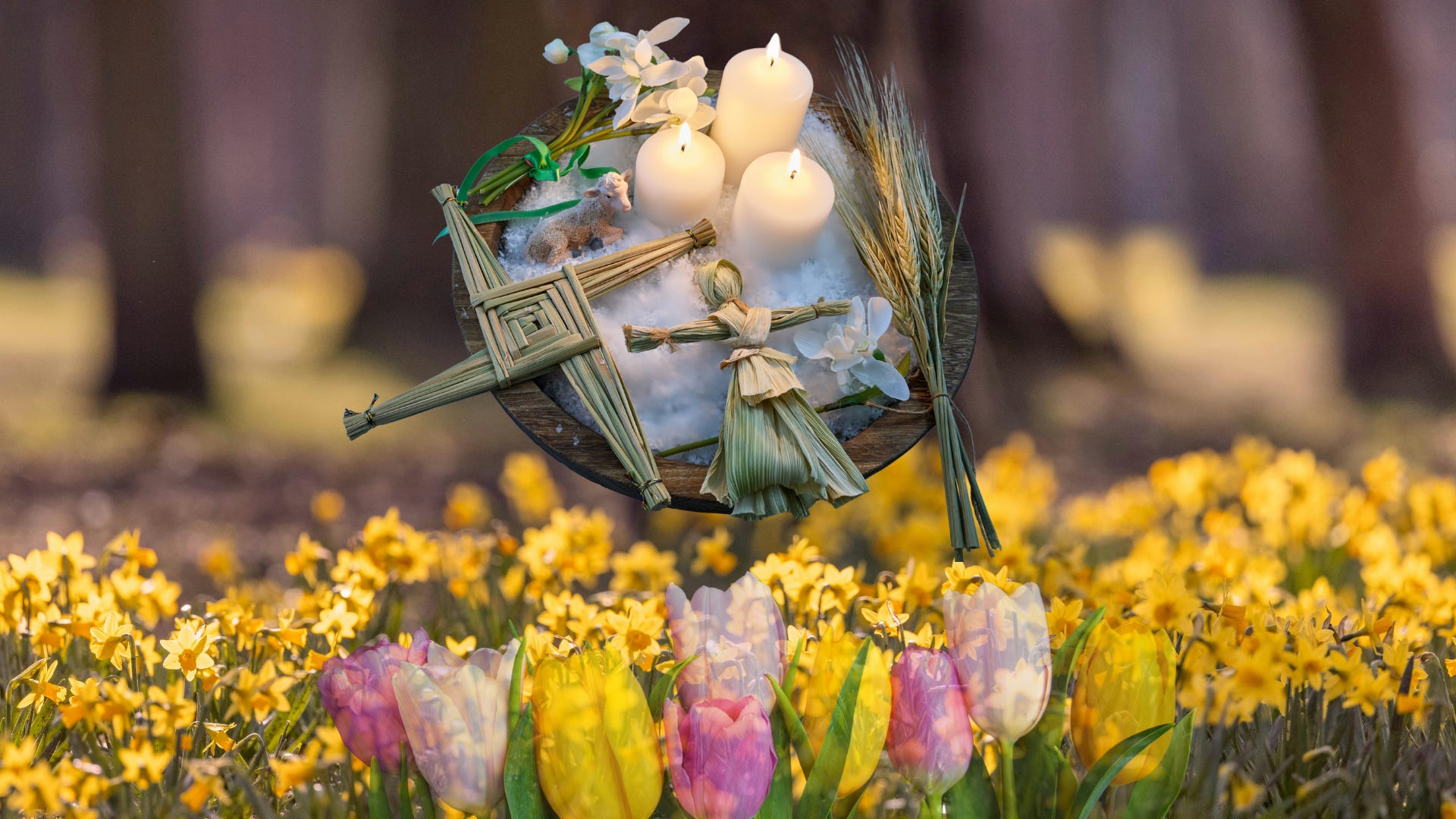
This year, that rebirth couldn’t feel more needed amid the divisiveness and confusion, with some events and decisions defying both logic and ethics. At least in the United States, many feel as if our moral compass has been stripped bare, and we hardly recognize our so-called democratic nation anymore.
We can use ancient symbolism to reconnect with each other more deeply.
From a Pagan or earth-spiritual perspective, the historical shift has been seen as a conversion from older nature-based celebrations into institutional religious observances, and personally, this is why I never resonated with what Easter became, Hallmark cards and all. You see, the original focus on humanity’s relationship with the living earth and our connection to it gradually became layered with theological meaning and church authority, with all its rules and laws.
What had once been a communal celebration of nature’s renewal was reframed as a doctrinal event tied to a specific religious narrative.
In earlier earth-based traditions, fires were sometimes lit at dawn or dusk to symbolize the sun’s strengthening, and people welcomed the season with feasting, music, dancing, and offerings of grain and flowers. People sometimes gathered at dawn on the Spring Equinox to witness the first light of day, celebrating the sun’s growing power and the promise of warmer months ahead. Standing together at daybreak, often on hilltops or open fields, reinforced the feeling that humanity was part of a larger natural rhythm shared with the earth and the sky.
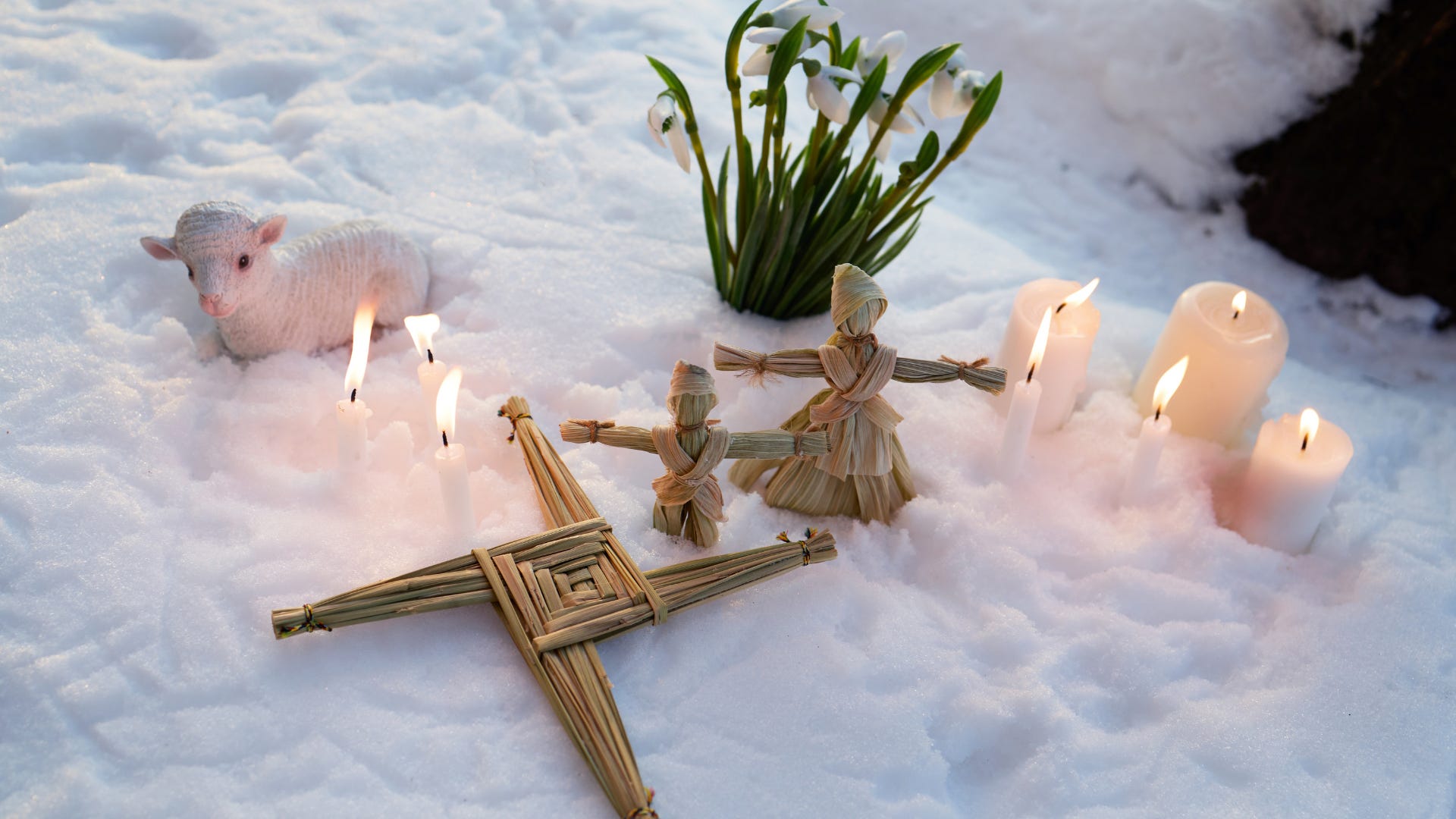
Spring feasting also played a central role in these seasonal celebrations. After the scarcity of winter, communities gathered to share food as a sign of gratitude for survival and hope for the coming harvest. The act of eating together strengthened bonds within the community and honored the life-sustaining relationship between people and the land. And people also shared stories that often mirrored what they saw in fields and forests each year: seeds buried in darkness eventually breaking open into new life.
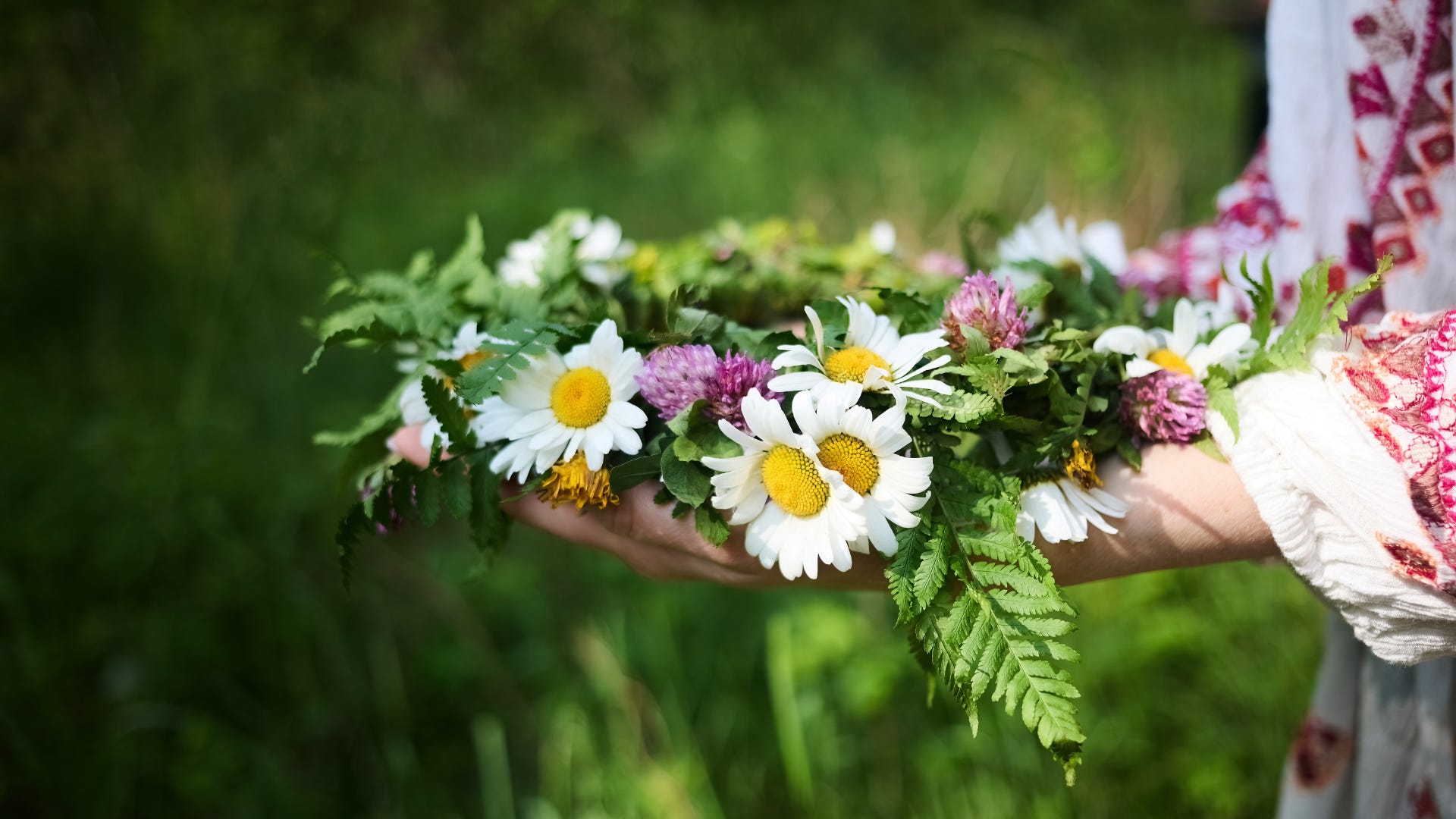
Importance of Rituals to Remember
The Goddesses from ancient times and other mythic figures helped communities from that time understand the rhythms of existence. I would argue that it’s more of a remembrance. The cycle of burial and rebirth seen in seeds planted in the soil was reflected in stories of divine descent and return. By celebrating these narratives through seasonal festivals, people reaffirmed their connection to the living earth and to the unseen forces they believed guided the turning of the seasons, a sense that has largely been lost in modern times.
These rituals reflected a worldview in which the cycles of nature and the divine feminine were inseparable. Goddesses connected with fertility, growth, and the cycles of life were central figures in seasonal mythology. Whether in the form of agricultural mother figures like Demeter or dawn and fertility spirits like Eostre, the divine feminine represented the earth’s ability to produce life year after year.
We can return to these rituals to remember what has been lost—a connection to Gaia, which is really a connection to ourselves, since we are made up of the same subatomic particles as every living thing on Earth and even in the cosmos. After all, we are also stardust. Neil deGrasse Tyson says that “the atoms of our bodies are traceable to stars that manufactured them in their cores,” and Carl Sagan echoes this idea using slightly different words: “The nitrogen in our DNA, the calcium in our teeth, the iron in our blood… were made in the interiors of collapsing stars. We are made of star stuff.”
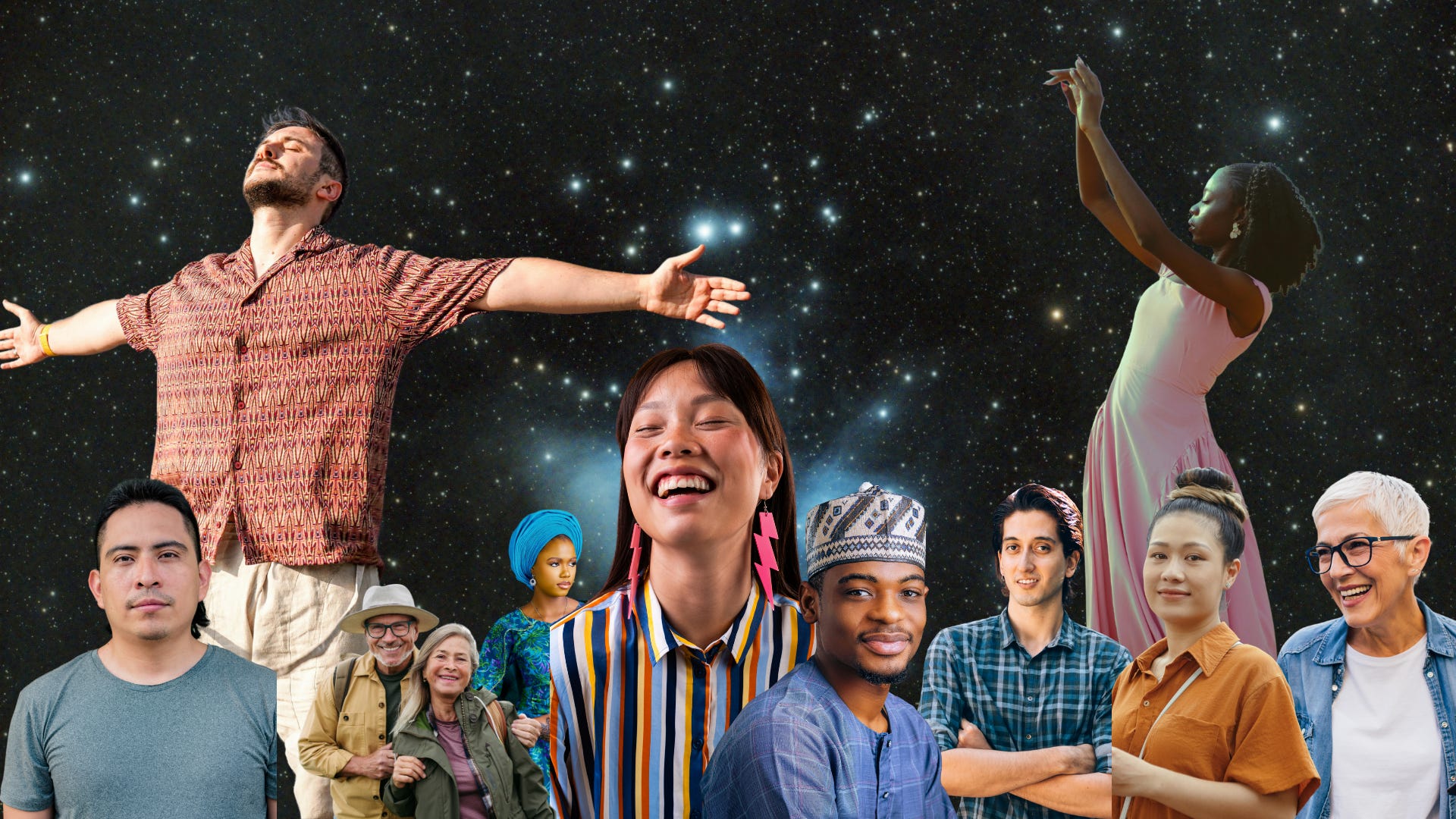
We can re-enact rituals of our own liking, the ones we resonate with most, and relive that connection our ancestors inherently knew. What culture do you most identify with? Celtic, West African, Caribbean, Japanese, Mexican, Indigenous, Germanic, Greek, Israeli, Chinese, Egyptian? The list goes on and on and on. Test out a ritual to see how it feels in your body.
In our work, we consistently return to the notion of embodiment as a true, felt sense. And true, felt remembering. Our bodies know what not only resonates with us but also nourishes and heals us.
During this season of Spring with Easter as part of it, consider the original ideas of renewal, our connection to the earth, to the rhythms of Gaia’s ebbs and flows and to our oneness with All That Is. Universal Consciousness. Once we feel it, we remember, and once we remember, we merge with it. We embody it. We become that innate wisdom we are so desperately seeking out there . . . aka, Jesus’ (Yeshua’s) teachings that the kingdom lies within.
We spend much of our lives looking outward for the light. We search for it in temples and teachings, in the words of saints and sages, in leaders, traditions, and sacred names. We bow to wisdom we believe lives somewhere beyond us—in a God or Goddess, a Buddha, a revered teacher, or a figure who seems to hold the answers we long for. Yet quietly, patiently, something within us waits to be remembered. The radiance we seek is breathing through us and has been with us from the very beginning. In other words, the guide we imagine standing ahead on the path is the presence walking within us. The teacher we admire reflects wisdom already alive in our own depths.
Beneath the noise of doubt and the habits of forgetting, there is a quiet brilliance—a living awareness that is both tender and vast. You are not merely a seeker of light; you are one of its expressions. You are not only a witness to love, but you’re one of the ways love moves through the world.
In celebration of the Spring Equinox and Easter, remember that the earth itself can become a mirror of this truth if you only allow and welcome it. The long sleep of winter can finally loosen its grip. Buds open where branches once seemed bare, and the barren cold ground breathes again. The turning of the seasons whispers the same message that has always lived inside us: nothing essential is ever truly lost; rather, it waits for the moment of remembering.
This season calls us back to our shared essence, to the living thread that runs through forests and oceans, through animals and stars, through every human heart. The old divisions soften when we see this clearly. The distance between self and other begins to dissolve. What remains is the quiet understanding that life is not separate pieces struggling beside one another, but a single unfolding mystery expressing itself in countless forms.
And perhaps that is the deepest invitation of this turning season: to remember that the same spark that ignites the stars moves within us, and the same breath that stirs the wind passes through our lungs. When we truly see this, and more importantly, feel it, the world becomes luminous with belonging. We realize we were never standing apart from life, searching for a doorway back in. We were always inside the great unfolding—woven into it, breathing with it, shining as one small and beautiful part of its endless light. ✨
Thanks for listening. For more about our work, visit Blue Soul Earth and subscribe (free) to our YouTube channel for great interviews with visionaries making a dent in consciousness.
How do you feel the connection to the soil beneath your feet? What experiences have you had that call you to resonate with these words?